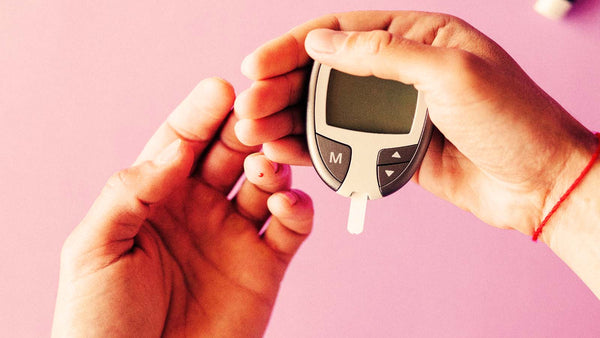
Is Camel Milk the Missing Link in Your Diabetic Diet? (Research & Dosage)
Nature’s Insulin: The Emerging Role of Camel Milk Bioactives in Diabetes Management (Type 1 & 2)
By Adrian Wadowski, Lead Researcher at CamelWay
For decades, the management of Diabetes Mellitus has relied heavily on pharmacotherapy and restrictive diets. However, emerging clinical research is shedding light on an ancient superfood that functions surprisingly like modern medicine: Camel Milk.
Often called "White Gold" in desert cultures, camel milk is now moving from folklore to clinical practice. Recent randomized controlled trials (RCTs) and meta-analyses suggest it serves as a potent adjunct therapy for both Type 1 and Type 2 diabetes, offering a unique combination of hypoglycemic and anti-inflammatory benefits.

Here is what the latest science tells us about this functional food and why it is gaining traction in Europe and the UK.
The "Oral Insulin" Mechanism
Unlike cow’s milk, camel milk contains high concentrations of insulin and insulin-like proteins, estimated at approximately 52 units per liter.
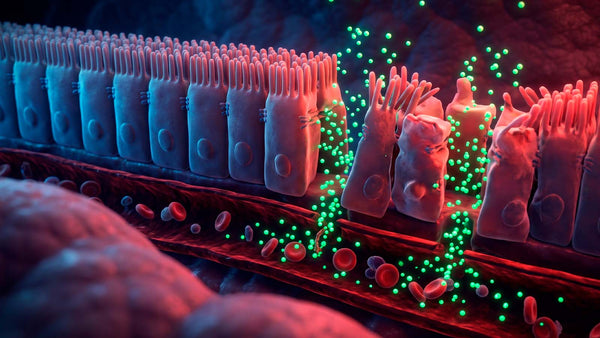
Critically, this insulin is not immediately destroyed by stomach acid. Research indicates that it is encapsulated within lipid nanoparticles (micelles), which protect the molecule as it passes through the stomach, allowing for absorption in the intestines. This effectively acts as a form of natural "oral insulin," mimicking the body’s regulatory mechanisms.

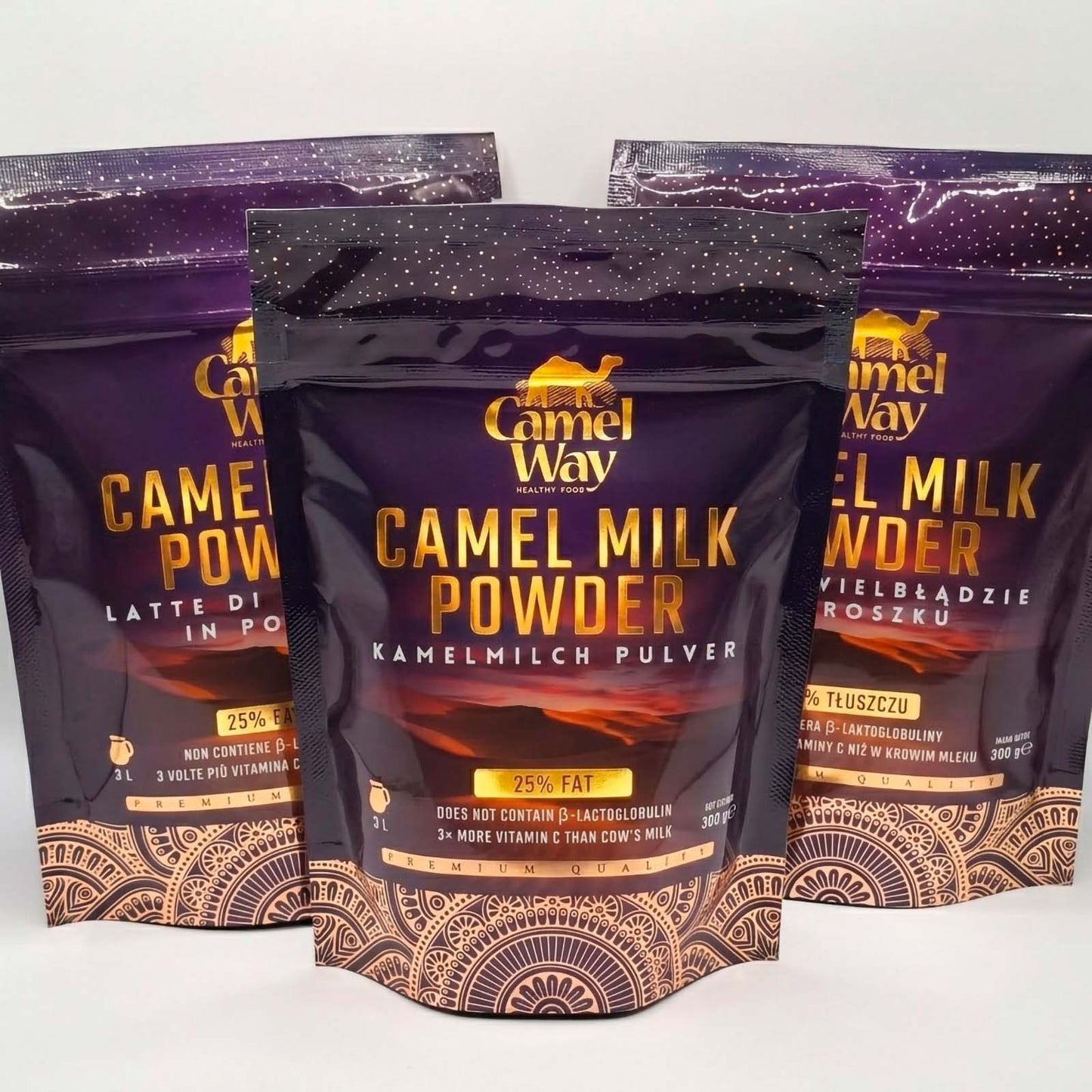
Premium Camel Milk Powder
100% pure camel milk, spray-dried at low temperatures to secure vulnerable bioactives like Lactoferrin and IgG. Safe for strict GFCF protocols and AIP diets.
Buy camel milk powder ✓ Free Express EU Shipping over €60Clinical Evidence: Type 1 Diabetes (T1D)
Type 1 diabetes is an autoimmune condition where the pancreas produces little to no insulin. For these patients, camel milk has shown remarkable potential in "sparing" insulin doses.
A key 16-week randomized trial involving young adults with T1D found that adding 500ml of camel milk daily to standard care resulted in:
- Reduced Fasting Glucose: A drop from ~227 mg/dL to ~99 mg/dL.
- Lower HbA1c: A decrease from 9.6% to 7.2%.
- Insulin Sparing: Patients reduced their daily insulin injections by approximately 30-50%.
Long-term studies (2 years) have even observed increased C-peptide levels, suggesting that the anti-inflammatory properties of camel milk (specifically Lactoferrin and Immunoglobulins) may help preserve residual pancreatic beta-cell function.
Clinical Evidence: Type 2 Diabetes (T2D)
For Type 2 diabetes, characterized by insulin resistance, camel milk acts as a sensitizer. A recent meta-analysis (2023) covering over 340 patients confirmed that regular consumption correlates with improved insulin sensitivity and a significant reduction in cardiovascular risk factors.
The bioactive peptides in the milk help downregulate pro-inflammatory cytokines (TNF-α, IL-6), which are often drivers of insulin resistance. Furthermore, studies show a marked improvement in lipid profiles - reducing LDL ("bad" cholesterol) and triglycerides while boosting HDL - crucial for diabetic heart health.
The Technology Shift: From Desert to Doorstep
Historically, the challenge for European and UK patients was logistics: fresh camel milk has a short shelf life. However, food technology has bridged this gap.
New Low-Temperature Spray Drying technology (pioneered by European producers like CamelWay) allows the milk to be turned into powder without destroying its heat-sensitive proteins. Unlike standard high-heat pasteurization or aggressive freeze-drying, this method preserves the functional structure of Lactoferrin and IgG.
This innovation means that EU-certified, medical-grade camel milk powder is now available globally, offering a shelf life of 18 months while retaining the biological potency of fresh milk.
Uncompromising Quality & Maximum Hygiene
Our innovative Velcro closure protects the biological stability and freshness of the powder.
- ✓ Low Temperature Drying: Bio-identical to raw camel milk
- ✓ Velcro Closure: Zero clogs, airtight safety
- ✓ Bioactive Protection: Rich in raw Lactoferrin
Integrating Camel Milk into a Diabetic Diet
For those considering this adjunct therapy, the clinical consensus suggests:
- Consistency: 500ml of reconstituted milk daily (split into morning and evening servings).
- Monitoring: Because of its hypoglycemic effect, patients should monitor blood glucose levels closely to avoid lows (hypoglycemia) and adjust insulin doses in consultation with their endocrinologist.
- Source Matters: Ensure the product is EU-certified to guarantee it is free from pathogens and processed to preserve bioactivity.
While not a replacement for insulin, camel milk represents a powerful, science-backed tool in the diabetic toolkit - a bridge between ancient wisdom and modern metabolic health.
About the Author:
Adrian Wadowski is the Lead Researcher and Brand Director at CamelWay. He specializes in functional dairy bioactives and their clinical applications in metabolic health (Diabetes) and autoimmune conditions (Autism/GFCF, Dermatology). His work focuses on utilizing advanced spray-drying technologies to preserve the therapeutic potential of camel milk for the European market.
Read the full 2025 Clinical Report here: [DOI: 10.5281/zenodo.17184240]