Camel Milk vs Cow Milk: 7 Health Benefits Compared
Clinical nutrition is shifting away from traditional cow milk due to its inflammatory protein profile, turning instead to functional dairy like camel milk. The biochemical differences between these two fluids dictate their impact on the human microbiome, metabolic stability, and immune response. This comparative analysis strips away marketing claims to deliver hard, scientific evidence on why camel milk is definitively healthier than cow milk and how its molecular structure justifies its premium status.
Historically, camel milk acted as a critical survival mechanism in extreme environments, providing concentrated macro and micronutrients. Today, modern clinical science translates this "white gold" into a targeted nutritional intervention for gastrointestinal and autoimmune conditions. Its unparalleled biochemical profile makes it a primary tool for advanced dietary protocols.
1. What Makes Camel Milk Nutritionally Superior to Cow Milk?
The fundamental divergence lies in the molecular composition. Camel milk delivers up to three times more vitamin C and ten times more iron than cow milk. Clinical data published on PubMed (PMID: 40206953) documents its superior concentration of antioxidants and essential amino acids.
- Vitamin C: Essential for collagen synthesis and antioxidant defense, camel milk provides a dense, natural supply completely absent in pasteurized cow milk.
- Iron Content: With 10x the iron of bovine milk, it effectively prevents cellular hypoxia and supports red blood cell production.
- Lactoferrin and Immunoglobulins: It features a high concentration of bio-identical IgG and lactoferrin, operating as powerful antiviral and antibacterial agents in the human gut.
- Protein Composition (A2 vs A1): Unlike mass-market cow milk, camel milk is strictly A2 and completely lacks the inflammatory A1-casein. This biological fact makes it a critical casomorphin-free alternative in the GFCF diet, directly influencing the gut-brain axis without causing neurological blockages.

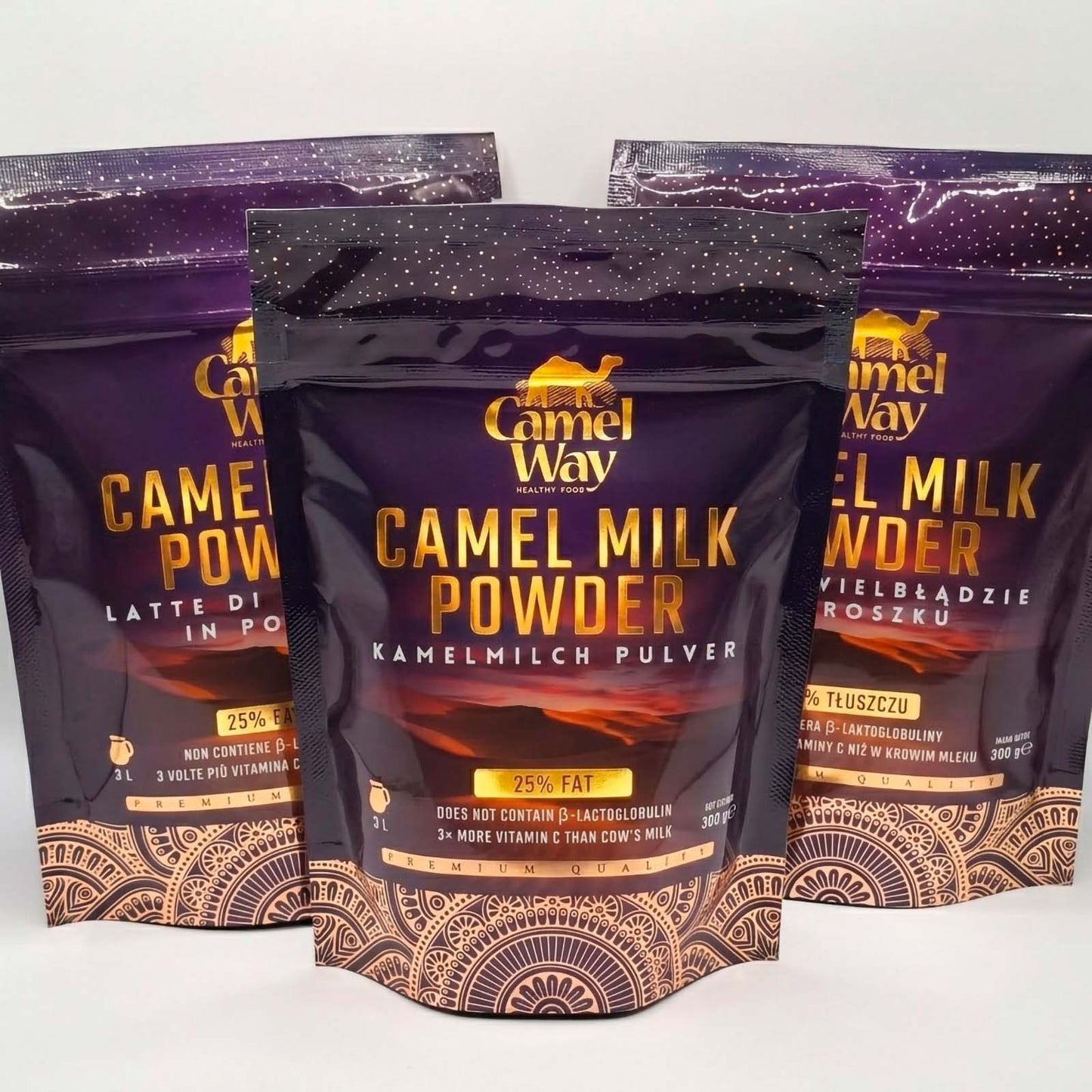
Premium Camel Milk Powder
100% pure camel milk, spray-dried at low temperatures to secure vulnerable bioactives like Lactoferrin and IgG. Safe for strict GFCF protocols and AIP diets.
Buy camel milk powder ✓ Free Express EU Shipping over €602. Can Camel Milk Repair Your Gut Health?
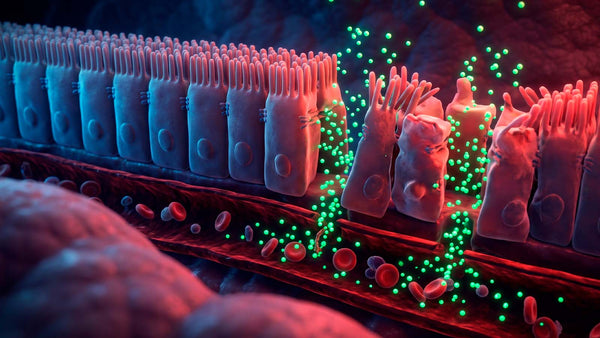
Cow milk frequently acts as a trigger for intestinal permeability (leaky gut) due to its highly allergenic beta-lactoglobulin and A1 beta-casein proteins. Camel milk, conversely, actively supports mucosal repair. It functions as a natural probiotic and immune modulator. A recent structural analysis (PMID: 39339708) confirmed that camel milk significantly enhances microbiome diversity, accelerating the proliferation of Bifidobacterium and Lactobacillus strains.
This targeted bacterial modulation reduces systemic gastrointestinal inflammation and bolsters the immune response at the cellular level, rendering cow milk obsolete for individuals with compromised digestion.

3. Does Camel Milk Regulate Blood Sugar Levels?
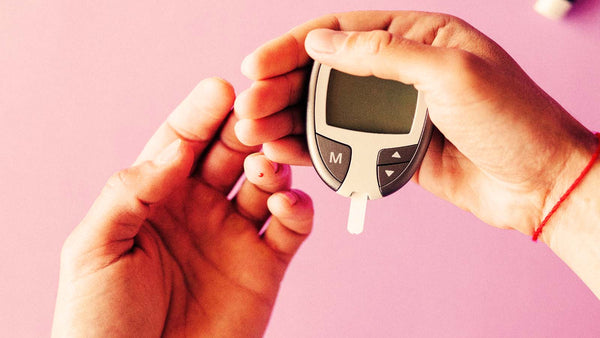
For individuals facing metabolic syndrome or diabetes, standard cow milk is often problematic due to its glycemic load and insulin-spiking lactose content. Camel milk introduces a completely different mechanism: it contains specific insulin-like proteins encapsulated in lipid vesicles that survive stomach acidity to be absorbed directly in the small intestine.
Clinical trials and research on camel milk in diabetes demonstrate its efficacy in lowering postprandial blood glucose levels and decreasing cellular insulin resistance. It operates as a functional biological intervention, directly supporting long-term glycemic stability.
4. Is Camel Milk Better for Heart Health than Cow Milk?
Cow milk is saturated with short-chain fatty acids that aggressively elevate blood lipid markers. Camel milk provides a fundamentally superior lipid profile, heavily weighted toward long-chain and polyunsaturated fatty acids, including omega-3s.
A 2023 meta-analysis (PMID: 38049802) verified that camel milk exerts a potent hypocholesterolemic effect. It actively reduces cytotoxic LDL cholesterol while elevating protective HDL markers, offering a distinct cardioprotective advantage over standard bovine dairy.
Cardiovascular advantages of camel milk:
- Reduces circulating LDL cholesterol
- Boosts protective HDL cholesterol levels
- Delivers high concentrations of anti-inflammatory omega-3 fatty acids

5. Camel Milk vs Cow Milk: Immune System Defense
The immune payload of camel milk dwarfs that of cow milk. It is engineered with sub-nano immunoglobulins (IgG) that easily penetrate human tissue, neutralizing pathogens at a cellular level. Furthermore, its massive concentration of lactoferrin and lysozyme guarantees strict antimicrobial, antiviral, and anti-inflammatory activity.
Routinely ingesting these bioactive proteins provides an unmatched immunological shield, efficiently identifying and destroying foreign antigens. Cow milk, degraded by industrial pasteurization, possesses zero comparable immune functionality.
Uncompromising Quality & Maximum Hygiene
Our innovative Velcro closure protects the biological stability and freshness of the powder.
- ✓ Low Temperature Drying: Bio-identical to raw camel milk
- ✓ Velcro Closure: Zero clogs, airtight safety
- ✓ Bioactive Protection: Rich in raw Lactoferrin
6. Is Camel Milk Effective for Acne and Eczema?
Chronic skin conditions like acne, eczema, and psoriasis are physical manifestations of systemic internal inflammation. Cow milk exacerbates this via A1-casein and heavy lactose loads. Camel milk intercepts the inflammatory cascade.
Because it is strictly hypoallergenic and loaded with antioxidant compounds, it neutralizes oxidative stress in the dermal layers. The bioavailable alpha-hydroxy acids (AHAs) and vitamin C in camel milk accelerate tissue regeneration, enforcing structural repair of the skin from the inside out.
Dermatological properties of camel milk:
- Suppresses systemic oxidative stress and cytokine storms
- Strictly hypoallergenic (zero β-lactoglobulin)
- Accelerates cellular healing in eczema and psoriasis

7. Why Is Camel Milk More Expensive? Engineering Quality
The price discrepancy between supermarket cow milk and premium camel milk is a reflection of rigorous processing and absolute biological purity. Mass-market cow milk undergoes brutal UHT pasteurization that decimates its protein structure.
At CamelWay, we utilize advanced Low-Temperature Spray Drying (LTSD) technology. This exact engineering process fully preserves the delicate structural integrity of lactoferrin, immunoglobulins, and vitamins, while simultaneously granting the product a highly stable 15-18 month shelf life. This is a 100% bio-identical, pure A2 functional food sourced from elite Dubai farms, legally cleared and veterinary-certified for the EU market.
The engineering behind the value:
- Absolute preservation of bioactive proteins via LTSD technology
- Strictly pure A2 milk sourced from elite Dubai farms
- Maximum solubility, digestibility, and long-term shelf stability
Choose Your CamelWay Supply
Premium European production. Free Express EU Shipping available.


The comparative analysis between camel milk and cow milk yields an uncompromising conclusion. Packed with specialized immune proteins, unique fatty acids, and zero inflammatory A1-casein, camel milk structurally outclasses traditional bovine dairy. Stop compromising your gut biome with degraded mass-market milk. Upgrade your nutritional baseline and buy 100% pure camel milk powder (300g) directly from our certified EU production line to experience authentic clinical benefits.