LPS Endotoxemia: The Science of Gut Inflammation
If you are struggling with chronic fatigue, persistent brain fog, and unexplained systemic reactions, you are likely not dealing with a series of random symptoms. You are experiencing the fallout of a silent, highly destructive biochemical event occurring deep within your digestive tract. At the core of this pathology is a powerful biological trigger known as Lipopolysaccharides (LPS). Understanding how these molecules breach your body's defenses is the first step toward neutralizing them and initiating genuine cellular repair.
The Anatomy of a Breach: What is LPS?
Lipopolysaccharides, often referred to as endotoxins, are large structural molecules found on the outer membrane of Gram-negative bacteria residing in your gut microbiome. In a perfectly healthy digestive system, these endotoxins are safely contained within the intestinal lumen. They are eventually excreted without causing harm. However, when the highly sensitive ecosystem of the gut is disrupted, the scenario changes drastically.

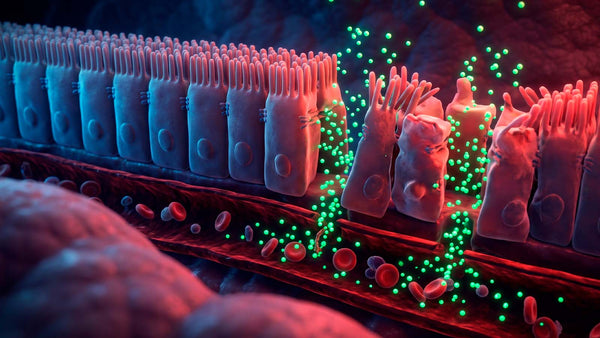
The intestinal barrier is remarkably thin - only a single layer of epithelial cells stands between the contents of your gut and your bloodstream. These cells are glued together by delicate proteins called tight junctions, governed largely by a signaling pathway involving zonulin. When chronic irritation degrades these tight junctions, intestinal permeability occurs. This is the physiological reality of "leaky gut."
Metabolic Endotoxemia and The Cytokine Cascade
Once the tight junctions fail, LPS endotoxins literally leak into the systemic circulation. This condition, known as metabolic endotoxemia, is treated by the immune system as an immediate, massive biological threat. The endotoxins bind to Toll-Like Receptor 4 (TLR4) on your immune cells, triggering an aggressive, systemic inflammatory response.
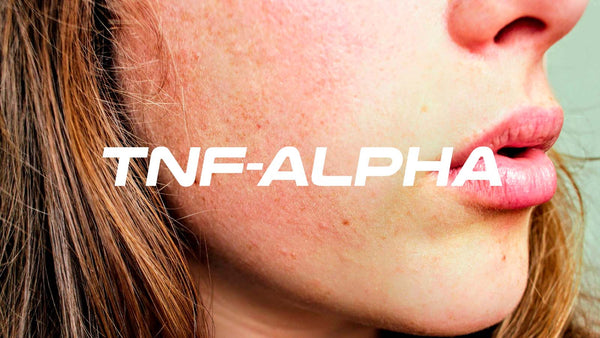
This binding initiates a severe cytokine storm, characterized by the relentless release of TNF-alpha and Interleukin-6. The result is a body locked in a state of chronic defense, prioritizing inflammation over tissue repair, energy production, and cognitive clarity.

The Danger of BCM-7 and Blood-Brain Barrier Penetration
To compound the damage, standard dietary habits often throw fuel on this inflammatory fire. Modern dairy, for example, is predominantly composed of A1-casein. During digestion, A1-casein breaks down into an opioid-like peptide called BCM-7. In a healthy gut, BCM-7 is generally kept out of the bloodstream. But in a compromised, highly permeable gut, BCM-7 easily slips through the failing tight junctions.
Once circulating in the blood, BCM-7 is capable of crossing the blood-brain barrier. This is the exact mechanism that drives the notorious "brain fog," neuro-inflammation, and mood dysregulation that plague so many individuals with compromised gut health.
Why Restrictive Diets and Plant Milks Fail
Faced with systemic inflammation, many patients turn to aggressive elimination diets or heavily marketed vegan alternatives. While removing inflammatory triggers like A1-casein and processed sugars is critical, it is only half of the equation. Removing the trigger stops the active damage, but it does not supply the biological scaffolding needed to rebuild the degraded mucosal barrier.
Popular plant-based alternatives, such as almond or oat beverages, offer no structural support. They are essentially highly processed, flavored waters stabilized with industrial gums and emulsifiers. They provide empty calories devoid of the complex, functional proteins required to downregulate inflammation and seal tight junctions.
The Biological Missing Link: Neutralizing LPS in the Lumen
If suppressing the immune system with heavy pharmaceuticals is an incomplete solution, and vegan alternatives lack the necessary building blocks, what is the missing biological link? The answer lies in targeted bioactive compounds that can intervene directly in the intestinal lumen before the endotoxins ever reach the bloodstream.
The human body desperately requires a specialized matrix of mucosal defense proteins to restore order. The most critical of these are Immunoglobulins, specifically IgG. Naturally occurring IgG antibodies act as biological sentinels. They are capable of binding directly to LPS endotoxins right in the digestive tract. By neutralizing LPS in the lumen, IgG prevents the endotoxins from interacting with the compromised intestinal wall and triggering the TLR4 inflammatory cascade.

Working synergistically with IgG is Lactoferrin. Lactoferrin is a profound, iron-binding glycoprotein that actively starves the Gram-negative bacteria producing the LPS in the first place. Furthermore, it acts to naturally downregulate the production of TNF-alpha, coaxing the immune system out of its hyper-defensive state. Accompanied by natural Alpha-Hydroxy Acids that promote healthy mucosal cell turnover, this combination of bioactives represents the ultimate blueprint for cellular repair.
The Ultimate Delivery System: An Evolutionary Marvel
The primary challenge in clinical nutrition is not just identifying these bioactive compounds, but finding a bio-available, bio-identical matrix that can safely deliver them to the inflamed gut. This is where evolutionary biology provides a masterclass in healing: camel milk.
Camel milk is a mammalian marvel, offering an ancestral delivery system for human-compatible IgG, Lactoferrin, and structural bioactives. Crucially, it is naturally and strictly A2-only. It contains absolutely zero A1-casein, meaning it is biologically impossible for it to generate the inflammatory BCM-7 peptide that drives neuro-inflammation. It offers the profound mucosal healing power of targeted immunoglobulins without any of the destructive triggers associated with bovine dairy.
For those serious about resolving systemic endotoxemia, CamelWay represents the absolute highest standard of purity and bio-availability.

Premium Camel Milk Powder
100% pure camel milk, spray-dried at low temperatures to secure vulnerable bioactives like Lactoferrin and IgG. Safe for strict GFCF protocols and AIP diets.
Buy camel milk powder ✓ Free Express EU Shipping over €60The Bioactivity Trap: Why Processing Methods Matter
Understanding the biochemistry is vital, but understanding processing is what determines clinical success. You cannot simply purchase generic camel milk powder and expect profound physiological changes. The targeted Immunoglobulins (IgG) and Lactoferrin required to bind LPS are incredibly delicate, fragile molecules.
When exposed to the high heat of standard pasteurization, or the aggressive freezing and pressure vacuums of commercial freeze-drying, the complex 3D structures of these proteins are permanently shattered. Consuming freeze-dried powder means you are ingesting denatured, dead proteins. They may look identical on a basic nutritional label, but they have completely lost their active biological signaling. They can no longer bind to LPS, and they cannot neutralize endotoxins.
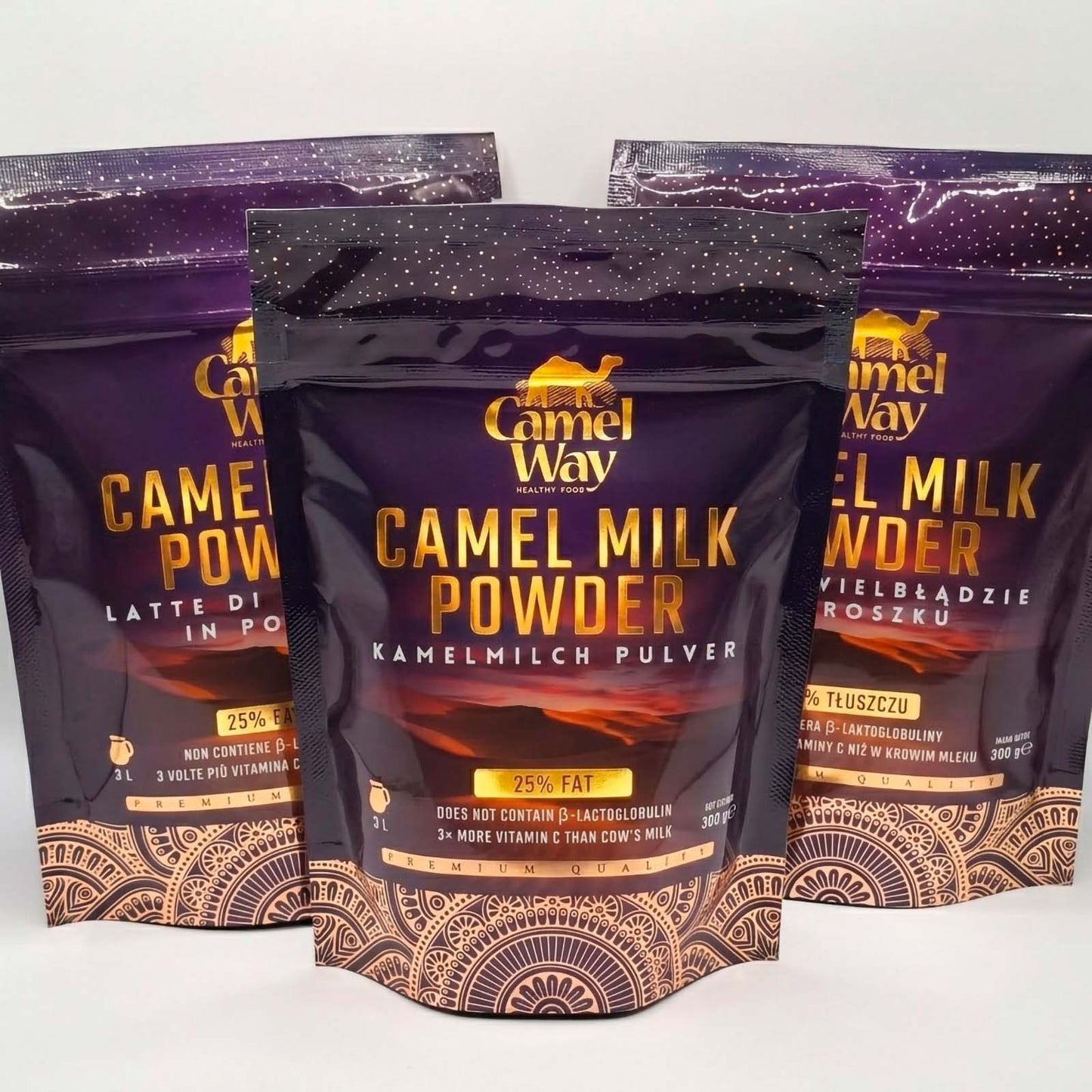
This is precisely why CamelWay insists on using advanced Low-Temperature Spray Drying (LTSD) technology. LTSD is a highly controlled, gentle evaporation process that never reaches the thermal threshold for protein denaturation. It meticulously preserves 100% of the delicate bioactivity of the Immunoglobulins and Lactoferrin. When you mix CamelWay powder, it reconstitutes instantly without chalky residue, delivering fully functional, bio-identical healing compounds directly to your mucosal lining.
Uncompromising Quality & Maximum Hygiene
Our innovative Velcro closure protects the biological stability and freshness of the powder.
- ✓ Low Temperature Drying: Bio-identical to raw camel milk
- ✓ Velcro Closure: Zero clogs, airtight safety
- ✓ Bioactive Protection: Rich in raw Lactoferrin
Resolving LPS endotoxemia requires more than symptom management; it demands a strategic biochemical intervention. By utilizing the preserved, intact bioactives delivered through LTSD technology, you can actively neutralize endotoxins in the lumen, halt the release of TNF-alpha, and finally give your gut the biological tools it needs to repair its tight junctions and restore systemic vitality.
Choose Your CamelWay Supply
Premium European production. Free Express EU Shipping available.


Frequently Asked Questions
What are Lipopolysaccharides (LPS)?
Lipopolysaccharides (LPS) are large structural molecules, also known as endotoxins, found on the outer membrane of Gram-negative bacteria in the gut. Under healthy conditions, they remain in the digestive tract, but if the gut barrier is compromised, they can leak into the bloodstream and trigger severe inflammation.
What is metabolic endotoxemia?
Metabolic endotoxemia occurs when LPS endotoxins leak through a compromised intestinal barrier and enter the systemic blood circulation. The immune system reacts to these toxins by launching a massive inflammatory response, heavily involving cytokines like TNF-alpha.
How does BCM-7 relate to leaky gut and brain fog?
BCM-7 is an inflammatory peptide created during the digestion of A1-casein, a protein found in most modern cow's milk. In individuals with a leaky gut, BCM-7 escapes the digestive tract, enters the bloodstream, and can cross the blood-brain barrier, driving neuro-inflammation and brain fog.
How do Immunoglobulins (IgG) neutralize endotoxins?
Naturally occurring Immunoglobulins, particularly IgG, act as frontline defenders in the digestive tract. They have the unique ability to bind directly to LPS endotoxins within the intestinal lumen, neutralizing them before they can breach the gut lining and trigger an immune response.
Why are plant-based milk alternatives ineffective for gut repair?
Plant-based alternatives like almond or oat milk consist primarily of water and carbohydrates, often thickened with gums and emulsifiers. They are completely devoid of the complex, bioactive proteins - such as Lactoferrin and IgG - that mammalian bodies require to actively signal tissue repair and seal tight junctions.
Why is Low-Temperature Spray Drying (LTSD) superior to freeze-drying?
Freeze-drying utilizes extreme freezing and vacuum pressures that can violently destroy the fragile, complex structures of healing immune proteins. Low-Temperature Spray Drying (LTSD) relies on a gentle, highly controlled moisture evaporation process that prevents thermal degradation, preserving 100% of the proteins' functional bioactivity.