GFCF Diet Not Working? The Science of Gut Cross-Reactivity
For many families navigating neuroatypical conditions or severe gastrointestinal distress, the Gluten-Free, Casein-Free (GFCF) diet is often presented as a primary intervention. The logic is straightforward: remove the offending proteins, reduce the inflammation, and watch the symptoms subside. Yet, clinical reality paints a far more complex picture. For a significant percentage of individuals, the GFCF diet yields minimal results, or initial improvements quickly plateau. If you are experiencing this, you are not alone, and there is a biochemical reason why the GFCF diet is not working for your child.
The Illusion of Subtraction: Why Removing Triggers is Not Enough
The fundamental flaw of relying solely on an elimination diet is the assumption that removing a toxin automatically heals the damage it caused. Gluten and A1-casein are known to trigger profound inflammatory cascades in compromised digestive systems. However, once the intestinal lining has been degraded, simply stopping the assault does not rebuild the tissue.
"Elimination diets stop the continuous biological assault, but they do not rebuild the fortress. True clinical healing requires active structural regeneration of the epithelial lining."

The Zonulin Pathway and Tight Junction Failure
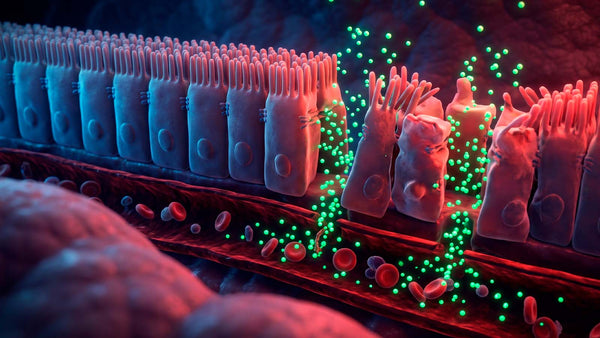
To understand why the diet fails, we must look at the architecture of the gut. The intestinal lining is essentially a single layer of epithelial cells held together by complex protein structures called tight junctions. When exposed to inflammatory triggers, the body overproduces zonulin, a protein that regulates the permeability of these tight junctions.
In a compromised gut, tight junctions remain open, creating a state of chronic intestinal permeability, widely known as leaky gut. When this barrier fails, undigested proteins, bacterial endotoxins (lipopolysaccharides), and pathogens leak directly into the bloodstream. This triggers a systemic immune response, often driven by the cytokine TNF-alpha, leading to neuroinflammation. Removing gluten and casein stops the primary triggers of zonulin release, but it does not physically close the tight junctions that have already been forced open.
Beta-Casomorphin-7 (BCM-7) and the Blood-Brain Barrier
Another critical factor is the metabolic footprint of previous dietary damage. Standard bovine milk contains A1 beta-casein, a protein that breaks down during digestion into a peptide called Beta-Casomorphin-7 (BCM-7). BCM-7 is an opioid peptide. In a healthy gut, it is broken down by the enzyme DPP-IV. In a leaky gut environment, BCM-7 bypasses digestion, enters the bloodstream, and crosses the blood-brain barrier. There, it binds to opioid receptors, directly influencing behavior, cognitive focus, and neurological development. The clearance of BCM-7 and the subsequent neurological recovery takes time, but more importantly, it requires a fully sealed blood-brain and intestinal barrier.
Plant-Based Alternatives and the "Empty Calorie" Trap
When transitioning to a GFCF diet, many turn to plant-based milk alternatives like almond, oat, or soy milk. From a biochemical standpoint, this is a critical error in clinical nutrition. While these alternatives are free from casein, they are nutritionally bankrupt regarding mucosal repair.
Plant-based milks provide basic macronutrients - often loaded with synthetic emulsifiers or sugars - but they completely lack the immunomodulatory proteins required for cellular regeneration. They offer empty calories when the body is in desperate need of bioactive building blocks.

The Missing Clinical Link: Bioactive Proteins for Mucosal Repair
Healing severe gastrointestinal pathology requires a proactive, biological intervention. The gut lining replaces itself every few days, but it can only do so if it has the correct molecular tools. The missing link in a stagnant GFCF protocol is the introduction of specific, naturally occurring bioactive proteins.
Lactoferrin: The Master Immunomodulator
Lactoferrin is a multifunctional glycoprotein crucial for immune system regulation. Its primary role is iron-binding; it actively sequesters iron in the gut, starving pathogenic bacteria - which rely on iron to multiply - while leaving beneficial microbiota unharmed. Furthermore, Lactoferrin has a direct anti-inflammatory effect on the intestinal mucosa, helping to downregulate the destructive TNF-alpha cascade and promoting the rapid healing of epithelial cells.
Immunoglobulins (IgG) and Pathogen Neutralization
Immunoglobulins, specifically IgG, act as the body's security force. In a compromised gut, opportunistic pathogens and yeast overgrowth run rampant. IgG antibodies bind directly to these toxins and pathogens, neutralizing them before they can cross the damaged intestinal barrier. This passive immunity gives the gut the biological breathing room it needs to repair tight junctions without being constantly overwhelmed by microbial attacks.
The Evolutionary Delivery System: Nature's Ultimate A2-Only Solution
Finding a natural source that delivers dense concentrations of Lactoferrin and IgG without triggering the BCM-7 opioid cascade has historically been the greatest challenge in clinical nutrition. This is where modern science looks to an ancient, evolutionary marvel: camel milk.
Unlike standard bovine dairy, camel milk is entirely devoid of A1 beta-casein. It is a strictly A2-only matrix, meaning it is impossible for it to generate the neurotoxic BCM-7 peptide. Furthermore, the molecular structure of its proteins is incredibly unique. It is naturally hypoallergenic and highly bio-compatible with human cellular receptors, making it the ultimate delivery system for the exact bioactive compounds a damaged gut desperately needs.

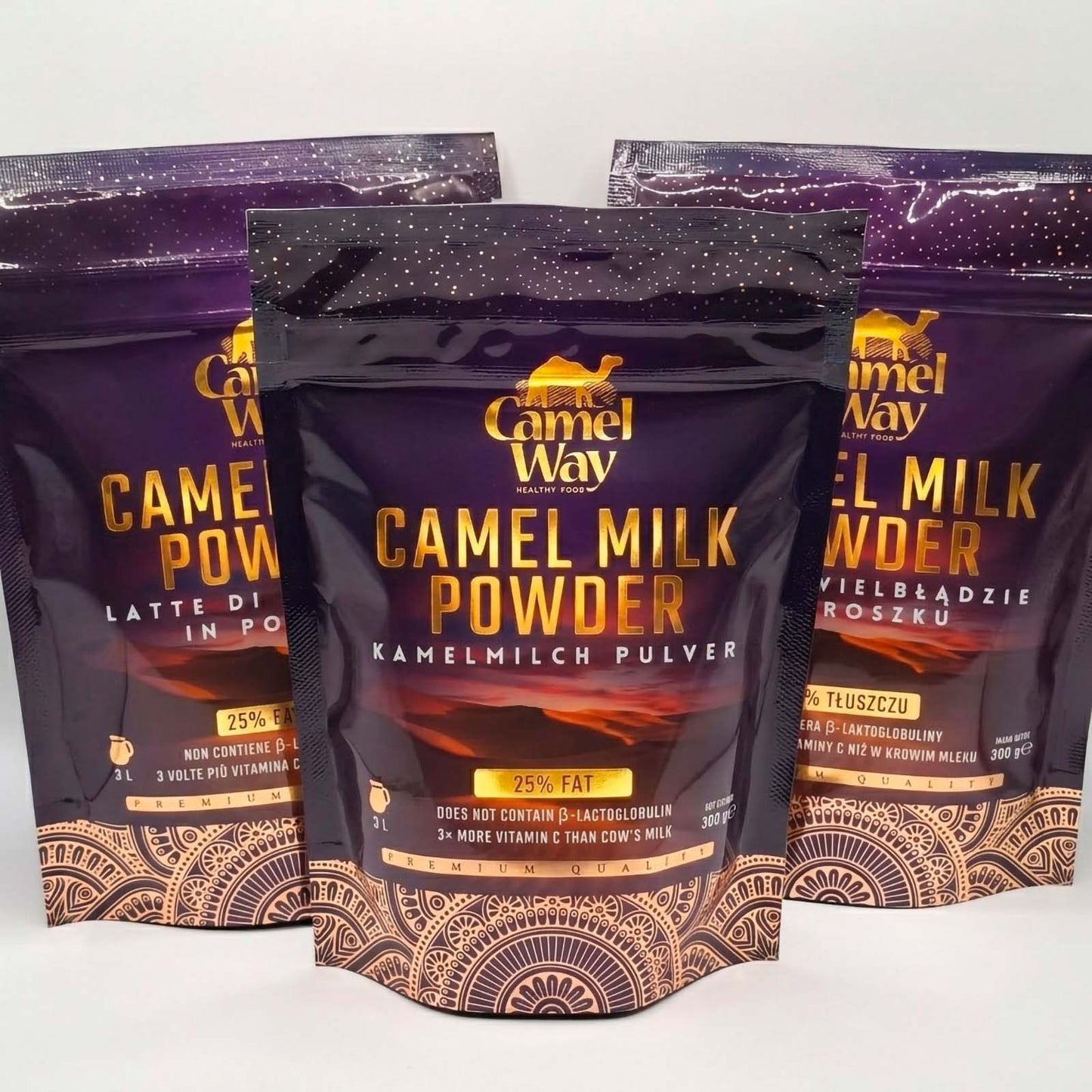
Premium Camel Milk Powder
100% pure camel milk, spray-dried at low temperatures to secure vulnerable bioactives like Lactoferrin and IgG. Safe for strict GFCF protocols and AIP diets.
Buy camel milk powder ✓ Free Express EU Shipping over €60The Technology of Bioactivity: Why Low-Temperature Spray Drying (LTSD) is Non-Negotiable
However, understanding the science of the source is only the first step. The critical failure point for many patients is the processing method of the product they consume. Buying generic, mass-produced milk powders will not yield clinical results. Proteins like Lactoferrin and Immunoglobulins are highly thermolabile - they are easily destroyed by heat.
Standard industry practices, such as high-heat pasteurization or even aggressive freeze-drying (lyophilization), shatter the delicate molecular structure of IgG and Lactoferrin. Freeze-drying often creates microscopic ice crystals that tear protein chains apart, rendering the bioactivity inert. To achieve mucosal barrier restoration, the functional integrity of these proteins must be preserved perfectly.
This is why CamelWay utilizes proprietary Low-Temperature Spray Drying (LTSD) technology. LTSD is the only processing method clinically proven to preserve 100% of the bio-identical structure of Lactoferrin, IgG, and Alpha-Hydroxy Acids. By gently removing moisture without exposing the raw material to destructive thermal or freezing stress, CamelWay delivers a functional, clinical-grade powder that acts as a therapeutic agent, not just a food product.
Uncompromising Quality & Maximum Hygiene
Our innovative Velcro closure protects the biological stability and freshness of the powder.
- ✓ Low Temperature Drying: Bio-identical to raw camel milk
- ✓ Velcro Closure: Zero clogs, airtight safety
- ✓ Bioactive Protection: Rich in raw Lactoferrin
Conclusion: Moving Beyond the Restrictive Diet
The GFCF diet fails for some because it relies purely on a defensive strategy. It attempts to manage symptoms by avoiding triggers, but it provides no offensive mechanism to repair the underlying gastrointestinal pathology. To move the needle on gut health, neuroinflammation, and mucosal immunity, we must pivot from merely subtracting toxins to actively adding bio-identical, reparative proteins.
By introducing a pristine, A2-only source of Lactoferrin and IgG, processed through uncompromising LTSD technology, we can finally give the epithelial lining the structural support it requires to seal tight junctions and restore systemic health.
Choose Your CamelWay Supply
Premium European production. Free Express EU Shipping available.


Frequently Asked Questions
Why does my child still have symptoms on a strict GFCF diet?
Removing gluten and casein stops the primary inflammatory assault, but it does not heal the existing damage to the intestinal lining. Symptoms often persist because the gut remains permeable (leaky gut), allowing other undigested proteins and toxins to enter the bloodstream and trigger systemic immune responses.
What is BCM-7 and why is it dangerous?
Beta-Casomorphin-7 (BCM-7) is an opioid peptide derived from the digestion of A1 beta-casein found in regular cow's milk. In individuals with intestinal permeability, BCM-7 can cross the blood-brain barrier, binding to opioid receptors and contributing to neuroinflammation, behavioral changes, and cognitive issues.
How does Lactoferrin help heal leaky gut?
Lactoferrin is a bioactive protein that binds iron, effectively starving harmful, iron-dependent bacteria in the gut while supporting beneficial flora. It also acts as a potent immunomodulator, reducing localized inflammation and promoting the regeneration of the epithelial cells that make up the intestinal lining.
Is plant-based milk a good substitute for repairing the gut?
From a clinical perspective, no. While plant-based milks (like oat or almond) are free from harmful casein, they lack the bioactive immunoglobulins and growth factors necessary for cellular repair. They often act as empty calories rather than therapeutic agents.
Why is CamelWay milk safe for a casein-free diet?
CamelWay milk is 100% free of A1 beta-casein, the specific protein responsible for inflammatory and neurological cross-reactivity in compromised guts. It provides a pure A2 protein matrix, which is highly digestible, hypoallergenic, and does not produce the harmful BCM-7 peptide.
Why is Low-Temperature Spray Drying (LTSD) superior to freeze-drying?
Freeze-drying creates microscopic ice crystals that can rupture delicate protein structures. LTSD gently removes moisture at controlled low temperatures, preserving the complete bio-identical structure of fragile bioactive compounds like Lactoferrin and IgG, ensuring maximum clinical efficacy.