The Hidden Dangers of BCM-7 in Neurodevelopmental Disorders
The intersection of gastrointestinal pathology and neurodevelopment is one of the most critical frontiers in modern clinical biochemistry. For decades, the focus has been on symptom management, but emerging data consistently points to a distinct, molecular trigger originating in the gut: the exogenous opioid peptide known as beta-casomorphin-7 (BCM-7). Understanding how this specific peptide disrupts cellular homeostasis is non-negotiable for anyone navigating neuro-sensitive diets.
Decoding the BCM-7 Peptide: A Biochemical Trojan Horse
To understand the pathology, we must first examine the source. Standard bovine dairy contains high levels of A1 beta-casein proteins. During the human digestive process, proteolytic enzymes break down this specific A1 protein chain, cleaving it at a specific histidine position. The byproduct of this incomplete digestion is BCM-7, a powerful opioid peptide.

In a biologically sound gastrointestinal tract, large peptides should be further degraded or safely excreted. However, in individuals with compromised mucosal immunity, BCM-7 acts as a Trojan horse. It binds aggressively to mu-opioid receptors located throughout the central nervous system and the enteric nervous system, initiating a cascade of pathological responses.
The Gut-Brain Axis Collapse: Tight Junctions and the Blood-Brain Barrier
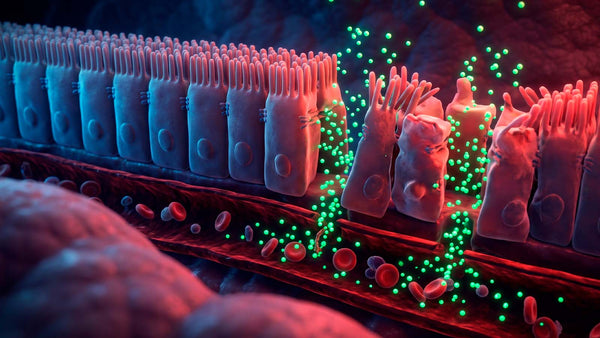
The human intestinal epithelium is regulated by complex structures known as tight junctions. When BCM-7 interacts with the gut lining, it frequently triggers the localized overexpression of zonulin, a protein that modulates the permeability of these junctions. The result is increased intestinal permeability, clinically referred to as leaky gut syndrome.
Once tight junctions fail, BCM-7 enters systemic circulation. The critical danger lies in its molecular weight and lipophilic properties, which allow it to effectively cross the blood-brain barrier (BBB). This breach compromises the central nervous system's isolated environment.
Neuroinflammation and the Cytokine Storm
Upon crossing the blood-brain barrier, BCM-7 activates microglial cells - the primary immune defense in the brain. This activation rapidly shifts from protective to destructive. The microglia release massive amounts of pro-inflammatory cytokines, specifically Tumor Necrosis Factor-alpha (TNF-alpha) and Interleukin-6 (IL-6).

This localized cytokine storm induces severe oxidative stress in regions of the brain responsible for executive function, speech, and social processing, such as the prefrontal cortex. This chronic neuroinflammation directly correlates with the behavioral, cognitive, and sensory processing disruptions frequently observed in neurodevelopmental disorders.
Why Conventional Diets Fail to Induce Cellular Repair
The standard clinical response is the implementation of highly restrictive protocols, such as the Gluten-Free, Casein-Free (GFCF) diet. While removing the A1 casein trigger is a crucial first step to halt ongoing damage, it presents a massive physiological limitation: absence of harm does not equal active repair.
Furthermore, many pivot to plant-based, vegan alternatives like almond, oat, or soy milks. From a biochemical standpoint, these are largely empty calories devoid of immunological value. Worse, they are frequently loaded with industrial emulsifiers, gums, and synthetic fortifiers that further degrade the microbiome and exacerbate mucosal inflammation. They offer zero building blocks for cellular restoration.
The Biological Missing Link: Rebuilding Mucosal and Neurological Integrity

To move from symptom mitigation to true cellular repair, the gastrointestinal tract requires specific, highly bioavailable molecules capable of downregulating inflammation and physically rebuilding the mucosal barrier.
Lactoferrin: The Master Immunomodulator
Lactoferrin is a highly specialized, iron-binding glycoprotein that serves as a cornerstone of innate immunity. In the inflamed gut, Lactoferrin acts as a master immunomodulator. It forcefully binds free iron in the digestive tract, instantly starving pathogenic bacteria of the resource they need to multiply, while simultaneously reducing the oxidative stress that damages the intestinal lining. Crucially, Lactoferrin directly downregulates the production of TNF-alpha, cooling the systemic inflammatory response that threatens the blood-brain barrier.
Immunoglobulins (IgG) and Alpha-Hydroxy Acids
Alongside Lactoferrin, a high concentration of Immunoglobulin G (IgG) is required to act as a mucosal sentinel. IgG antibodies bind to lingering toxins and antigens, neutralizing them before they can exploit compromised tight junctions. Simultaneously, natural alpha-hydroxy acids work at the cellular level to support enterocyte mitochondrial function, providing the energy necessary for the rapid reassembly of the epithelial barrier.
The Evolutionary Solution: Bio-Identical Delivery Systems
Finding a natural source that perfectly balances these complex, bioactive molecules without reintroducing BCM-7 has historically been a clinical challenge. The biological answer lies in camel milk. Structurally unique and separated by millions of years of evolution from bovine species, this ancient functional food is 100 percent devoid of A1 beta-casein. Digestion of its proteins produces zero BCM-7, eliminating the neuro-toxic opioid threat completely.
Because it is an A2-only matrix, it serves as the ultimate bio-identical delivery system for massive, naturally occurring concentrations of Lactoferrin, IgG, and essential fatty acids. For clinical applications demanding uncompromising quality, CamelWay provides the premier, rigorously verified source of this functional dairy.

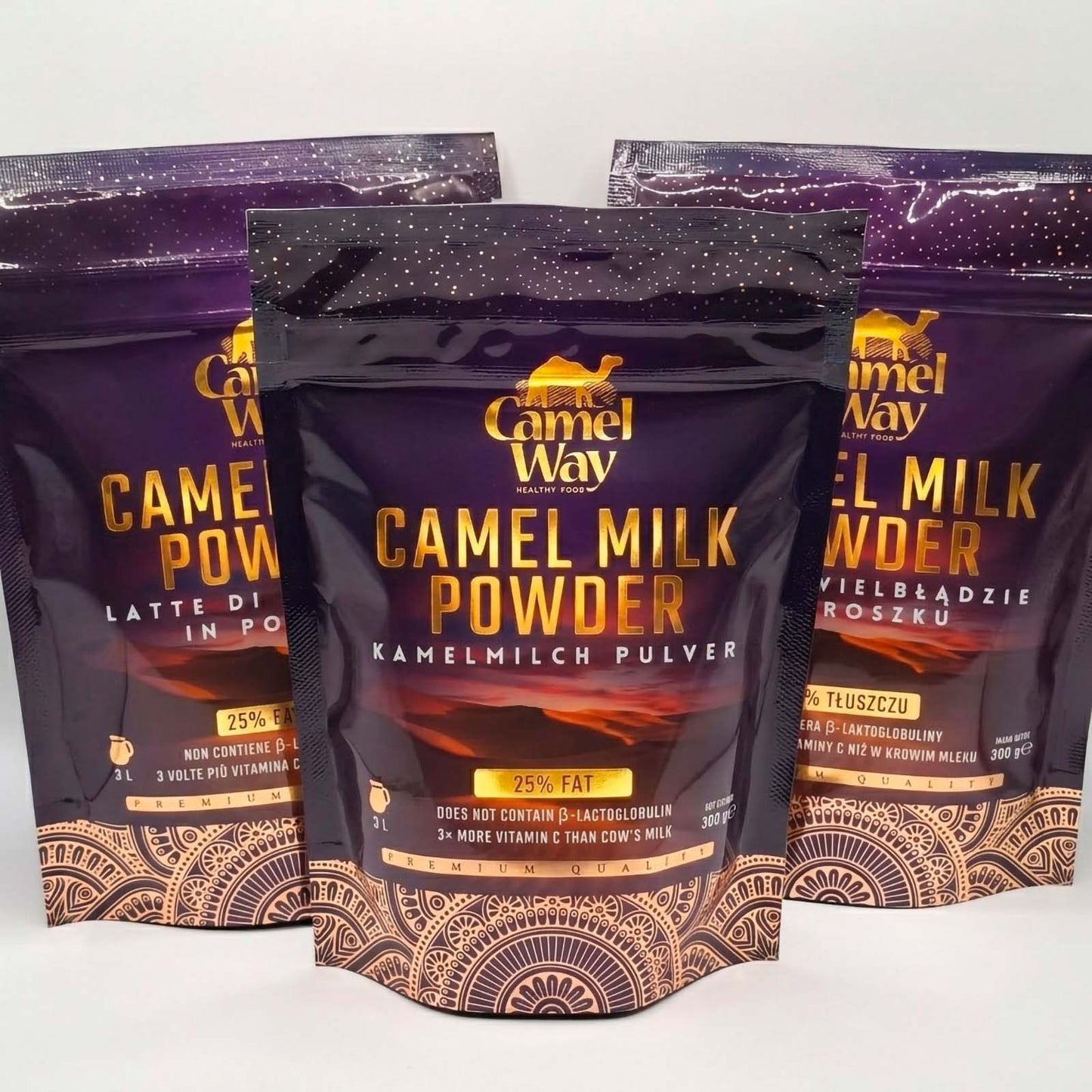
Premium Camel Milk Powder
100% pure camel milk, spray-dried at low temperatures to secure vulnerable bioactives like Lactoferrin and IgG. Safe for strict GFCF protocols and AIP diets.
Buy camel milk powder ✓ Free Express EU Shipping over €60The Technological Imperative: Why Processing Dictates Efficacy
Understanding the biochemistry is only half the equation; the commercial processing of the raw material determines whether the clinical payload survives. Buying generic alternatives often yields a biologically dead product. Standard high-heat pasteurization irreversibly denatures Lactoferrin, destroying its iron-binding capacity. Conversely, aggressive freeze-drying techniques violently shatter the delicate peptide bonds of Immunoglobulins, rendering them inert.
To solve this, CamelWay employs exclusive Low-Temperature Spray Drying (LTSD) technology. This highly controlled, gentle dehydration process perfectly preserves the complex molecular geometry of Lactoferrin and IgG. LTSD guarantees 100 percent bio-identical preservation, ensuring that every serving delivers the exact, functional compounds required for rigorous, neuro-sensitive repair protocols without compromising solubility or bioavailability.
Uncompromising Quality & Maximum Hygiene
Our innovative Velcro closure protects the biological stability and freshness of the powder.
- ✓ Low Temperature Drying: Bio-identical to raw camel milk
- ✓ Velcro Closure: Zero clogs, airtight safety
- ✓ Bioactive Protection: Rich in raw Lactoferrin
Addressing neurodevelopmental challenges requires looking beyond the superficial management of symptoms. By completely eliminating the BCM-7 peptide and actively rebuilding mucosal and neurological integrity through LTSD-processed, A1-free functional dairy, we establish a robust, scientifically validated paradigm for profound cellular repair.
Choose Your CamelWay Supply
Premium European production. Free Express EU Shipping available.


Frequently Asked Questions: BCM-7 and Neuro-Biochemistry
What exactly is BCM-7 and how is it formed?
Beta-casomorphin-7 (BCM-7) is a seven-amino-acid opioid peptide. It is formed exclusively during the digestion of A1 beta-casein, a protein heavily present in standard cow's milk. The proteolytic cleavage of this specific protein chain releases BCM-7 into the digestive tract.
How does the BCM-7 peptide affect the brain?
In individuals with compromised gut barriers, BCM-7 enters systemic circulation and crosses the blood-brain barrier. It binds to mu-opioid receptors in the brain, activating microglial cells and triggering a localized release of pro-inflammatory cytokines like TNF-alpha, which disrupts normal neurodevelopment and cognitive function.
Why are plant-based milk alternatives insufficient for gut repair?
Plant-based milks, such as oat or almond beverages, lack the complex immunological proteins required for cellular repair. They do not contain immunoglobulins or Lactoferrin. Additionally, they often contain industrial emulsifiers that can further irritate an already inflamed intestinal lining.
What role does Lactoferrin play in reducing neuroinflammation?
Lactoferrin is a powerful immunomodulatory glycoprotein. It binds free iron, reducing localized oxidative stress, and actively suppresses the production of pro-inflammatory cytokines such as TNF-alpha. By cooling gut inflammation, it helps protect the integrity of the blood-brain barrier.
How does Low-Temperature Spray Drying (LTSD) protect bioactive compounds?
Unlike high-heat pasteurization which denatures proteins, or freeze-drying which can fracture delicate peptide bonds, LTSD utilizes a gentle, highly controlled thermal environment. This technology preserves the precise molecular structure and full biological activity of fragile compounds like Lactoferrin and IgG.